

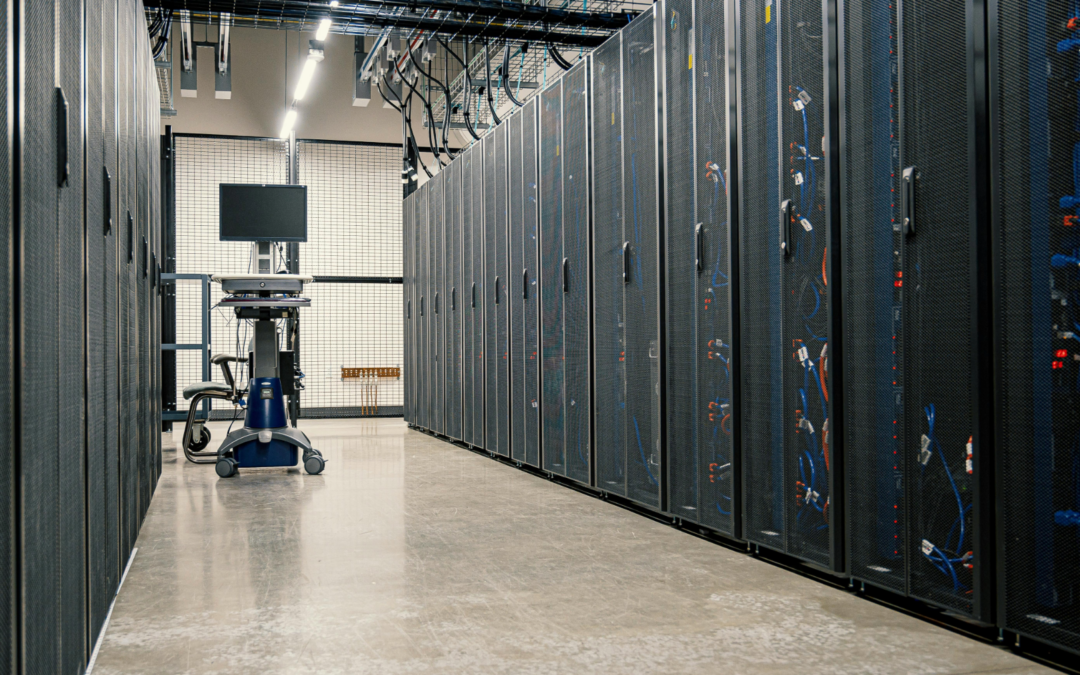
Data centres generate significant levels of heat due to the concentration of servers, processing equipment and continuous operational demand. Effective cooling is essential to maintain system performance, protect hardware and reduce the risk of downtime.
As processing requirements continue to increase through cloud computing, AI infrastructure and digital storage expansion, the importance of efficient coolant systems and thermal management has become even more critical.
Blended Products Ltd supplies heat transfer fluids and coolant solutions that support reliable temperature control across industrial and commercial applications, including data centre environments.
Why data centre cooling is critical
Modern data centres operate continuously and contain densely packed electronic equipment that generates substantial thermal loads.
Without effective cooling:
- Equipment performance can degrade
- Hardware lifespan may reduce
- Energy consumption may increase
- System failures and downtime become more likely
Data centre cooling systems are therefore designed to maintain stable operating temperatures while maximising efficiency and minimising energy loss.
Heat control at data centres is now considered a core operational requirement rather than a supporting function.
How coolant supports data centre cooling
Coolant systems transfer excess heat away from servers and infrastructure components to maintain controlled environmental conditions.
In many facilities, coolant solutions are used within:
- Chilled water systems
- Closed-loop cooling systems
- Liquid cooling infrastructure
- Heat exchange systems
These systems rely on carefully specified fluids capable of maintaining thermal stability while protecting pipework and equipment from corrosion or freezing.
Types of cooling solutions for data centres
Different facilities require different approaches depending on size, density and operational requirements.
Air cooling systems
Traditional air cooling remains widely used in many facilities. Cold air is circulated through server rooms while hot air is extracted and managed through containment systems.
Although effective, air cooling can become less efficient as server densities increase.
Liquid cooling systems
Liquid cooling is increasingly used in high-density environments due to its superior heat transfer efficiency.
Coolant circulates close to heat-generating components, removing thermal energy more effectively than air alone.
Benefits include:
- Improved thermal efficiency
- Reduced energy consumption
- Greater cooling precision
- Support for higher rack densities
This approach is becoming more common in AI and high-performance computing environments.
Immersion cooling
Some advanced data centres now use immersion cooling, where hardware components are submerged in specialised dielectric fluids.
This method provides highly efficient heat dissipation and supports extremely high processing loads.
Although still a specialist application, immersion cooling reflects the broader shift towards advanced cooling solutions for data centres.
The role of glycol-based coolant systems
Glycol-based coolants are commonly used in data centre infrastructure due to their freeze protection and corrosion resistance properties.
These fluids help:
- Protect external cooling systems in low temperatures
- Maintain thermal consistency
- Reduce corrosion within pipework and equipment
- Improve long-term system reliability
Both ethylene glycol and propylene glycol formulations may be used depending on operational and environmental requirements.
Correct concentration and inhibitor management are essential to maintain performance.
Heat control at data centres and energy efficiency
Cooling infrastructure is one of the largest contributors to energy consumption within a data centre.
As operators focus on reducing operational costs and environmental impact, cooling efficiency has become a major area of investment.
Effective heat control strategies can help:
- Reduce power usage effectiveness (PUE)
- Lower energy costs
- Improve infrastructure lifespan
- Support sustainability targets
This has increased demand for high-performance coolant systems capable of operating efficiently under continuous load.
Coolant maintenance and system protection
Cooling systems require ongoing monitoring to ensure performance remains consistent.
Routine maintenance typically includes:
- Coolant concentration testing
- Corrosion inhibitor analysis
- pH monitoring
- Contamination checks
Degraded coolant can reduce thermal efficiency and increase the risk of corrosion or system failure.
Regular testing and fluid management help maintain long-term infrastructure protection.
Choosing the right coolant supplier
For critical environments such as data centres, coolant reliability is essential.
Businesses should consider:
- Product quality and consistency
- Technical support capability
- Supply continuity
- Fluid testing services
- Experience with industrial cooling systems
Blended Products supports commercial customers with glycol-based coolant solutions and technical guidance tailored to demanding operational environments.
FAQ section
Why is cooling important in data centres?
Data centres generate significant heat from servers and electronic equipment. Effective cooling prevents overheating, protects hardware and maintains operational reliability.
What coolant is used in data centre cooling systems?
Many systems use glycol-based coolant solutions due to their thermal stability, freeze protection and corrosion resistance properties.
What are the main cooling solutions for data centres?
Common cooling methods include air cooling, liquid cooling and immersion cooling, depending on infrastructure requirements and heat load density.
How does liquid cooling improve efficiency?
Liquid cooling transfers heat more effectively than air, allowing better temperature control and reduced energy consumption in high-density environments.
Do coolant systems require maintenance?
Yes. Coolant systems require regular monitoring and testing to maintain thermal performance and protect against corr
Looking for reliable coolant solutions for critical infrastructure?
Blended Products supplies high-performance coolant and glycol solutions for commercial and industrial cooling systems across the UK.
Our team can support with:
- Glycol coolant supply
- Heat transfer fluid selection
- Coolant testing and analysis
- Technical support for cooling systems
Contact Blended Products today to discuss your cooling requirements or request a quotation